
 Indonesia
 English




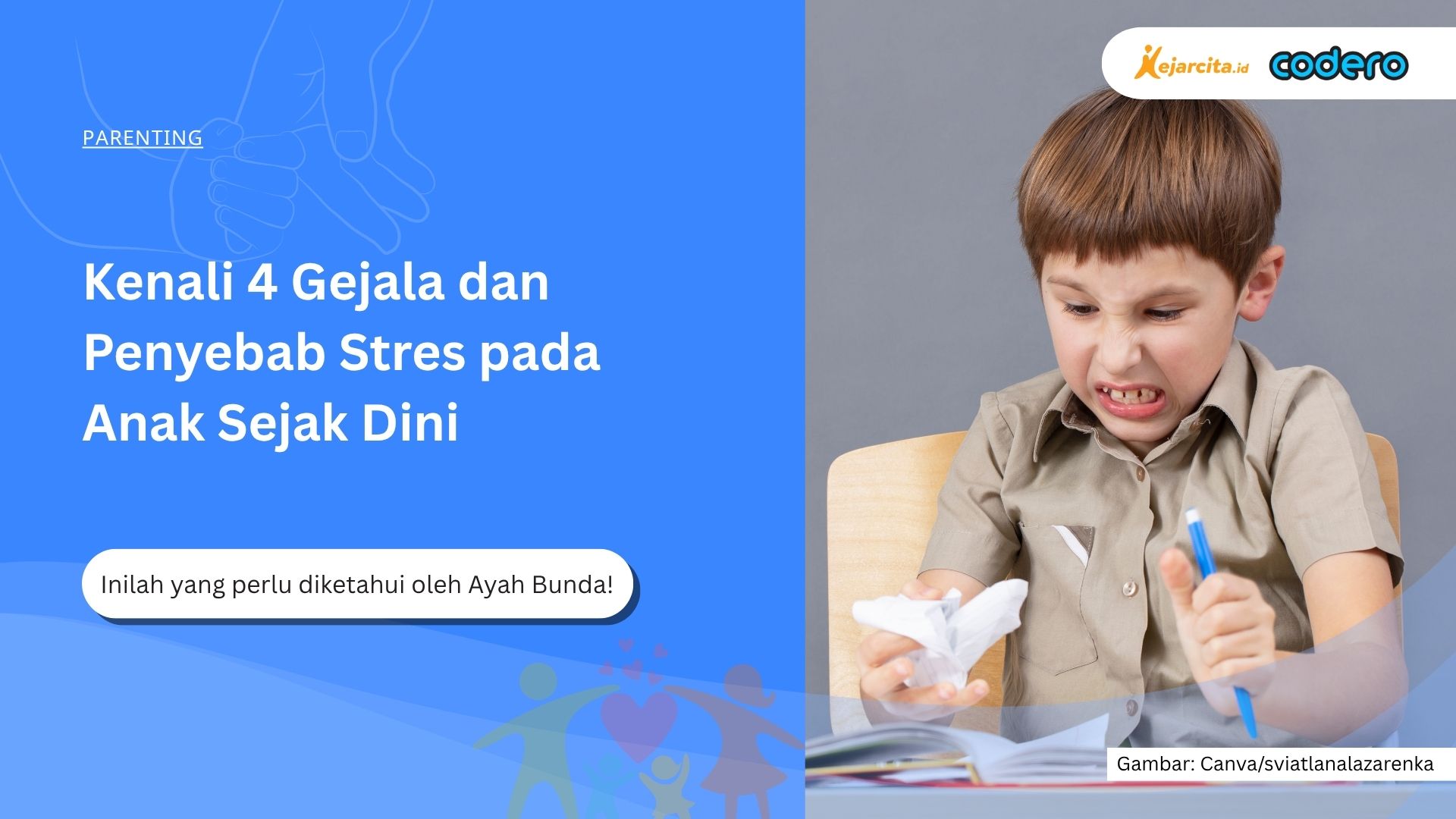
Stress isn’t something only adults experience. Children can experience it too, but they often express it in different ways. While adults are generally able to clearly articulate what they’re feeling, children often lack the vocabulary or ability to explain their own feelings.
Instead of talking about it, their bodies and behaviors are usually the first to “speak up,” showing signs that something is weighing on their minds.
If left unaddressed, stress in children can disrupt their emotional development, social skills, and even their academic performance. In the long term, unresolved stress during childhood can affect their self-confidence and mental health later in life.
Therefore, recognizing the symptoms of stress early on and providing appropriate support is one of the important responsibilities that parents must undertake.
4 Signs Parents Should Watch Out For
1. Changes in a child’s emotions
One of the easiest signs to recognize is a change in emotions. A child experiencing stress usually appears more sensitive than usual, gets angry more easily, cries, or gets upset over small things that previously weren’t a problem.
However, not all children express this openly. Some children may instead choose to remain silent, withdraw, or refuse to talk about it at all.
These emotional changes are actually the child’s body’s way of responding to stress that they can no longer manage on their own.
2. Unexplained physical complaints
Headaches, stomachaches, changes in appetite, or trouble sleeping that occur without any clear medical cause may be signs of stress a child is experiencing.
Sleep disturbances such as nightmares or frequently waking up at night are also important indicators that they are harboring anxiety.
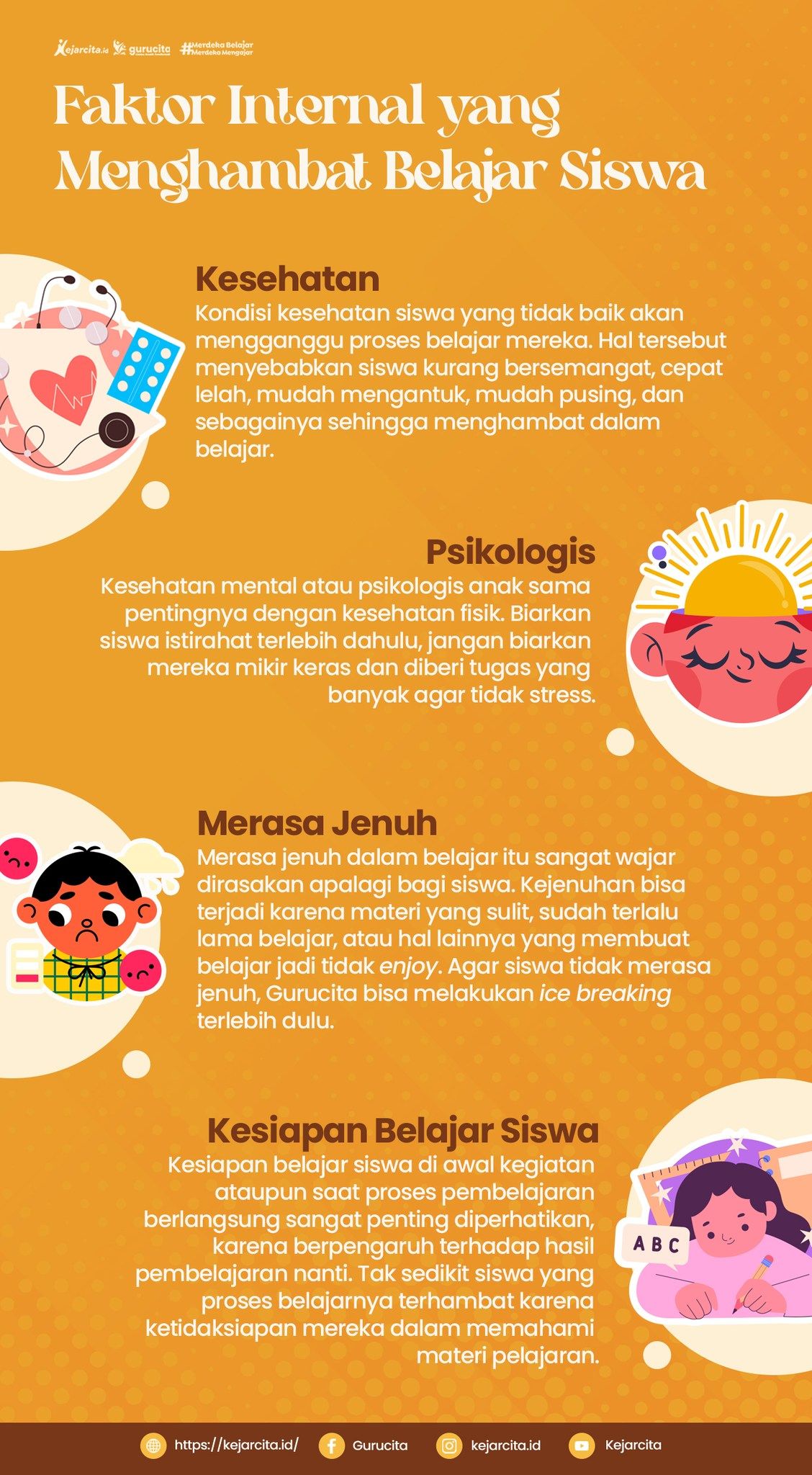
3. Changes in daily behavior
A child who was once cheerful and active suddenly appears passive, reluctant to move, or even loses interest in things they usually enjoy—this should also be a cause for concern.
Difficulty concentrating while studying and a decline in academic performance are often signs that they are dealing with something.
Some children also seek an escape, for example by spending excessive time on their gadgets as a way to forget or avoid uncomfortable feelings.
4. Difficulty focusing and forgetfulness
Stress can also affect the way children think. They find it harder to concentrate, are forgetful, and seem slow to respond when spoken to. This happens because their minds are “busy” working hard to cope with the pressure they’re feeling, which reduces their ability to think clearly.
What Actually Causes Children to Feel Stressed?
1. The burden of schoolwork and expectations
When academic demands feel too overwhelming to handle, children may feel anxious, afraid of failing, and stressed.
A pile of assignments, high grade expectations, competition with classmates, and a packed exam schedule can all become burdens in their own right—especially for children who feel they cannot yet meet the expectations placed on them.
A study schedule that’s too packed without any breaks also risks triggering prolonged stress.
Therefore, it’s important for parents to pay attention to their children’s study schedules, ensuring they still have time to rest and do the things they enjoy.
2. An uncomfortable home environment
Home should be the place where children feel safest. However, when there are frequent arguments, excessive punishment, a lack of attention, or a high-pressure atmosphere at home, children can lose that sense of security.
They may feel confused, afraid, or even unconsciously blame themselves for what is happening around them, and this is where stress begins to grow.
3. Peer relationships and experiences in social settings
Relationships with peers have a major influence on a child’s development.
When they struggle to make friends, feel excluded from a group, or even experience bullying, their self-confidence can plummet, triggering emotional stress.
It’s not uncommon for children who experience this to become afraid to go to school, withdraw from their social circle, or even be reluctant to talk about what they’re actually going through.
4. Major life changes
Moving to a new home, changing schools, losing a loved one, or a family separation are major life events that can feel overwhelming and confusing for children.
They need time to adapt to these changes, and without sufficient support, these situations can become a source of long-term stress.
5. Parents’ unrealistically high expectations
Mom and Dad’s desire for their child to excel actually stems from good intentions.
However, if those expectations are too high without taking the child’s abilities and circumstances into account, this can actually become a heavy psychological burden.
Children may feel they are never good enough, fear disappointing their parents, and even begin to measure their self-worth solely by their achievements.
This kind of pressure can trigger anxiety and hinder their emotional development.
How Can Parents Help Their Children Cope with Stress?
1. Build a warm, non-judgmental line of communication
The most important first step is to create a safe space for your child to open up, without fear of being scolded, laughed at, or judged.
Listen to their concerns attentively, look them in the eye, nod your head, or gently touch their shoulder to show that you are truly there for them.
Sometimes, a simple question like “How was your day?” is enough to open the door for a child to open up more.
2. Set aside time to relax and unwind
Engaging in activities they enjoy can be an effective way for children to unwind.
Invite your child to play together, take a vacation to a peaceful place, go for a bike ride, or read their favorite book.
Parents can also introduce simple relaxation techniques, such as taking a deep breath and exhaling slowly, or doing light stretches together.
These small activities can help calm your child’s body when they feel nervous or anxious.
3. Maintain a healthy lifestyle
A child’s more stable emotional state often stems from a regular daily routine.
Establish a consistent sleep schedule, limit screen time, and ensure they get nutritious meals that support brain function and energy throughout the day.
Also encourage your child to engage in light exercise, such as playing ball or taking a morning walk with the family.
4. Guide them, don’t solve the problem for them
When children face a problem, the role of parents is not to solve the problem for them, but to guide them in finding their own solutions.
Help your child identify the problem they’re facing, encourage them to consider several possible solutions, and then encourage them to try taking small steps first.
With this kind of guidance, your child will grow into a more confident person when facing pressure in the future.
5. Involve teachers and the school when necessary
If the source of your child’s stress is related to school, cooperation between parents and teachers is crucial.
Discuss your child’s situation with the teacher, ask for advice on a more suitable learning approach, or work together to assess whether their academic workload is too heavy.
A safe and supportive school environment will help your child feel comfortable learning.
Additional support, such as guidance from a counselor or school counseling services, can also be a solution, ensuring the child receives help not only at home but also in their daily learning environment.
Stress in Children Should Not Be Taken Lightly
The stress experienced by children should not be taken lightly, as it can affect their emotional development, behavior, and even their ability to learn.
By recognizing the signs early on, understanding the underlying causes, and providing empathetic guidance, parents and teachers can help children grow into emotionally healthier individuals who are better equipped to face life’s challenges.

To help create a safe learning environment that supports children’s mental health, Kejarcita offers various training programs for teachers and parents, such as parenting workshops, inclusive education, and professional development for educators.
Through close collaboration between families and schools, and with support from Kejarcita’s educational programs, every child has the opportunity to grow, learn, and develop to their full potential in a positive environment.
.jpg)
.jpg)
.jpg)
.jpg)
