 Indonesia
 English




.jpg)
Hello, amazing moms and dads!
I’m sure you’ve all felt both amused and amazed watching your little ones skillfully use their gadgets, haven’t you? Our children today are truly “digital natives” in this all-digital world. For them, the internet is no longer a novelty, but rather a space for adventure—where they can learn new things, be creative, and even complete school assignments.
However, just as we accompany our children to a large playground, the online world also has corners we need to be cautious about. Behind all the fun and convenience, there are risks such as fake news, unfriendly online chats, and the importance of protecting our family’s data privacy.
To ensure our children’s digital adventures always bring joy, stay safe, and produce meaningful work, let’s explore the 4 pillars of digital literacy that we can learn together in a relaxed way below!
What Are the 4 Pillars of Digital Literacy?
In 2020, the government, through the Ministry of Communication and Information Technology (Kominfo), established four key pillars that we must teach children so they can use the internet wisely:
1. Digital skills
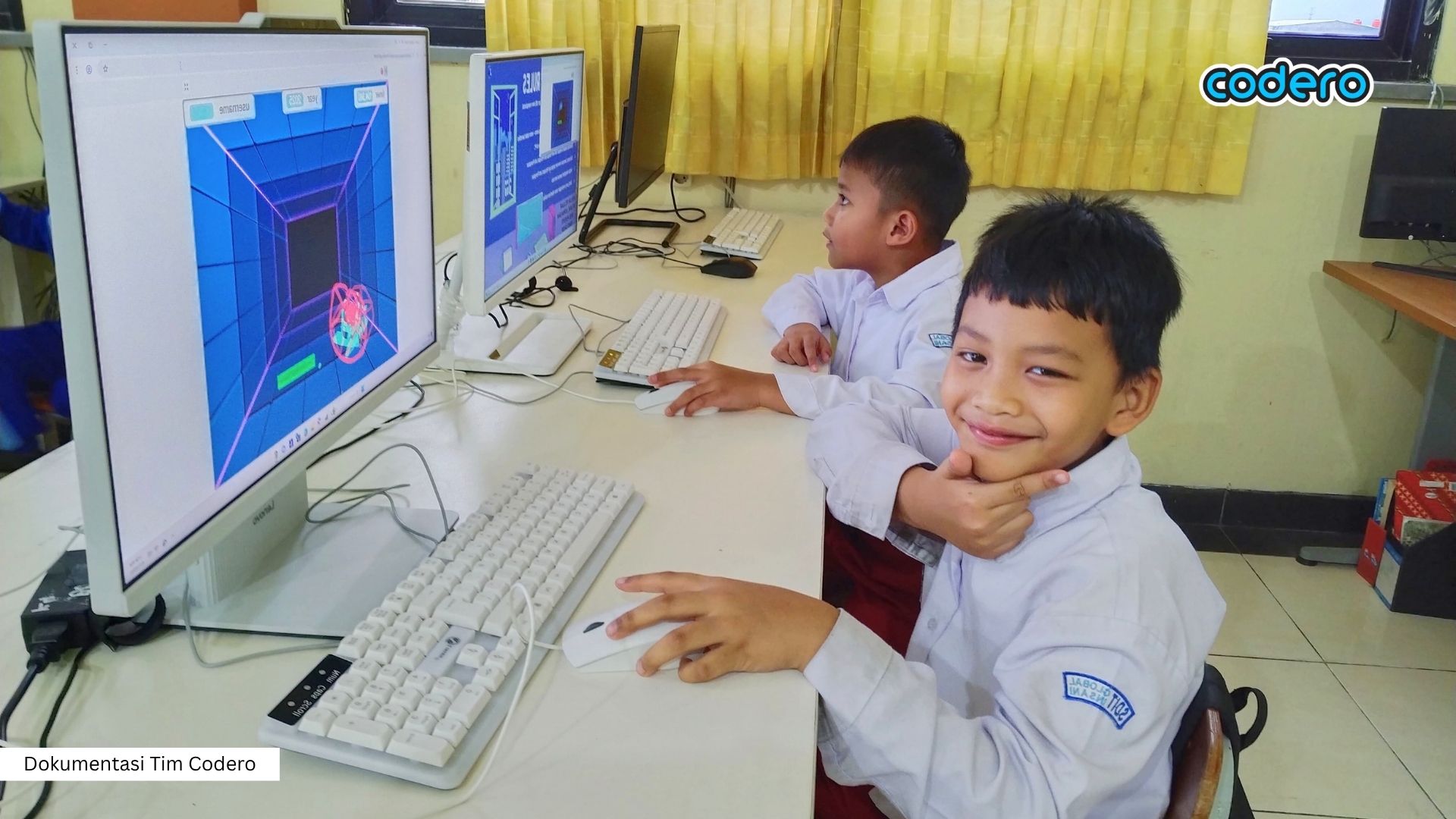
A child’s ability to recognize, understand, and use hardware and software in daily life. Think of it like teaching them to hold a paintbrush—we want children to know how to use it with confidence to create amazing things.
2. Digital ethics
The internet is a place where millions of people from diverse backgrounds come together. Therefore, the ability to recognize, consider, and develop proper etiquette or ethics when communicating online (netiquette) also needs to be emphasized.
Just like the habit of saying “please” and “thank you” at home, Ananda is encouraged to always be polite, respect others, and watch what they type.
3. Digital culture
Did you know, parents? This boundless digital space is an extraordinary stage for children to practice noble values of kindness, such as helping one another and respecting differences.
This pillar ensures that your children continue to hold dear our culture’s friendly and loving identity, no matter where their fingers roam on the internet.
4. Digital safety
Just as we always lock the front door for safety, children also need to learn how to protect themselves in the digital world. Here, we help children develop the awareness to keep important secrets—such as their full names, home addresses, and device passwords—so their digital play spaces remain safe and free from disruption.
Examples of Applying the 4 Pillars of Digital Literacy in Daily Life
Here are real-life examples that parents can implement with their children at home or in the school environment:
1. Examples of digital competence
This is about how children skillfully use digital media for positive purposes:
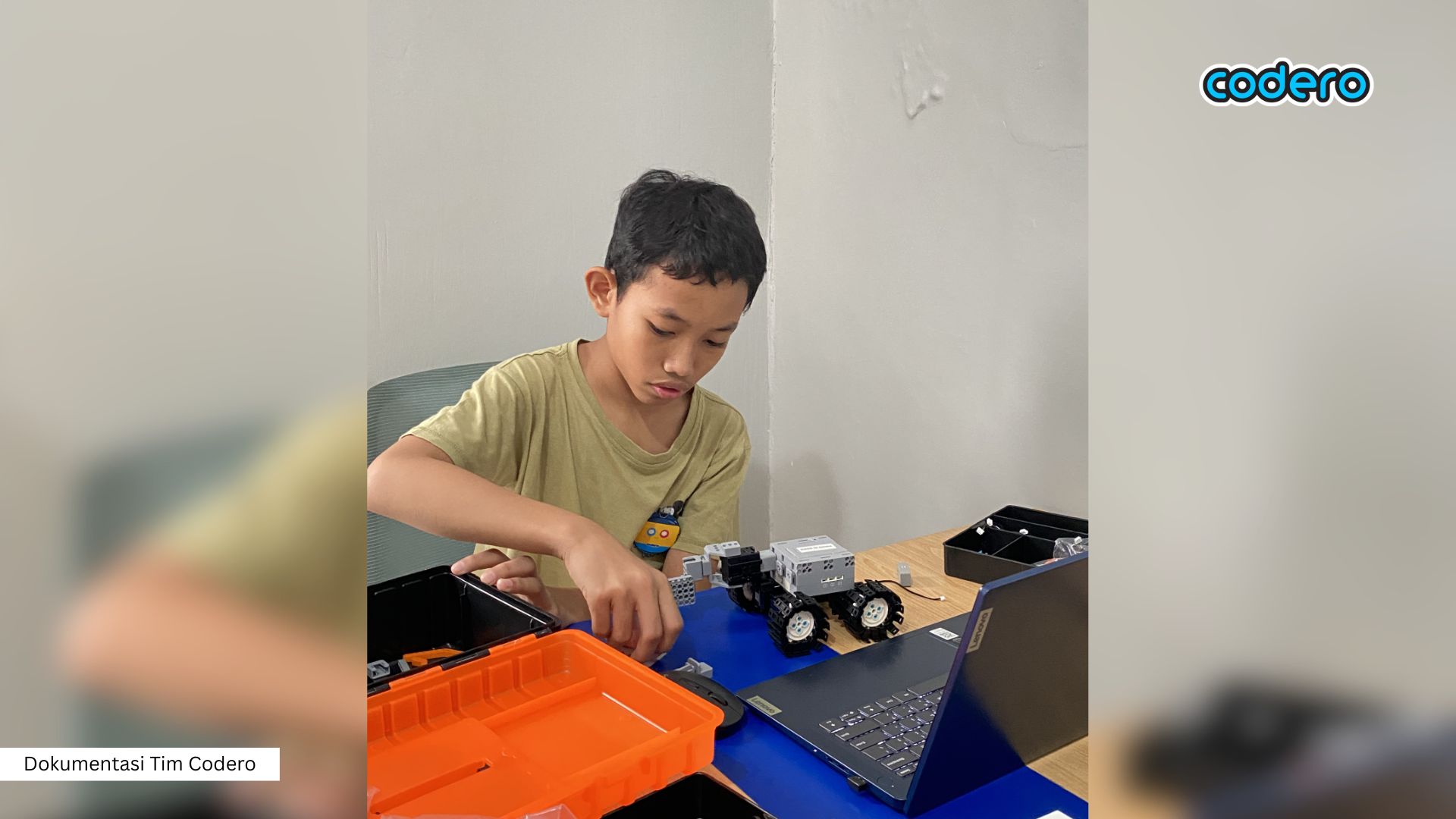
Using a laptop or gadget to search for helpful tutorials, such as how to assemble a simple robot or cooking tutorials.
Submitting school assignments via email or using online meeting apps for remote learning.
Schoolchildren creating creative video presentations to be published as positive works.
2. Examples of digital ethics
Examples of how this pillar is applied focus more on children’s behavior and social responsibility:
Do not spread false news (hoaxes) and do not insult or criticize others on social media.
Always be polite when communicating with teachers or friends in WhatsApp groups.
Respect others’ privacy by not sharing friends’ personal information without permission.
3. Examples of digital culture
Regarding how technology helps us remain good citizens:
Use the internet to interact with tolerance and prioritize unity, even when holding differing opinions.
Use social media to promote local culture or domestic products.
Building a character of honesty and a spirit of cooperation in the digital space, for example through online fundraising.
4. Examples of digital security
Practical steps to protect the family’s digital “assets”:
Use strong passwords and do not carelessly share verification codes (OTPs) with others.
Understand that downloading certain apps sometimes requires access to personal data, so be cautious before clicking the “allow” button.
Be wary of fake technologies like deepfakes (fake videos/voices) so you aren’t easily deceived by unscrupulous individuals.
By understanding these four pillars, parents can be the best guides for their children as they explore the vast digital world. Let’s create a positive, safe, and enriching digital space for their future!
Building Digital Skills with Codero
As a concrete way to foster children’s digital skills from an early age, Codero presents a virtual learning space called Codero Online. We designed this space as a safe and fun environment to unleash your child’s technological potential right from home.
Through a variety of exciting and adventurous projects, we invite your children to:
Solve problems: Train their thinking skills in a structured and step-by-step manner.
Dare to innovate: Cultivate the confidence to try new things without fear of making mistakes.
Create tangible works: Turn their devices into magical tools for building ideas, designing games, and producing digital works they can be proud of.
We firmly believe that learning about technology should be a fun adventure—a world where children can learn while playing. Backed by a child-friendly curriculum and caring guidance, we’re ready to help your child take their first steps toward a wide range of future career opportunities in the tech industry.
Come on, let’s help your child create their first amazing digital project with Codero Online! For registration information and a friendly chat about this program, you can contact our expert team directly via the following link:
📞 0821-2002-0660

References:
4 Pilar Literasi Digital & Contoh Lengkap
Makna Empat Pilar Literasi Digital dan Potensinya Menekan Peredaran Hoax di Ruang Digital Indonesia
Mengenal Empat Pilar Utama Literasi Digital | Kecakapan, Budaya, Etikam dan Keamanan Digital
.jpg)
.jpg)
.jpg)